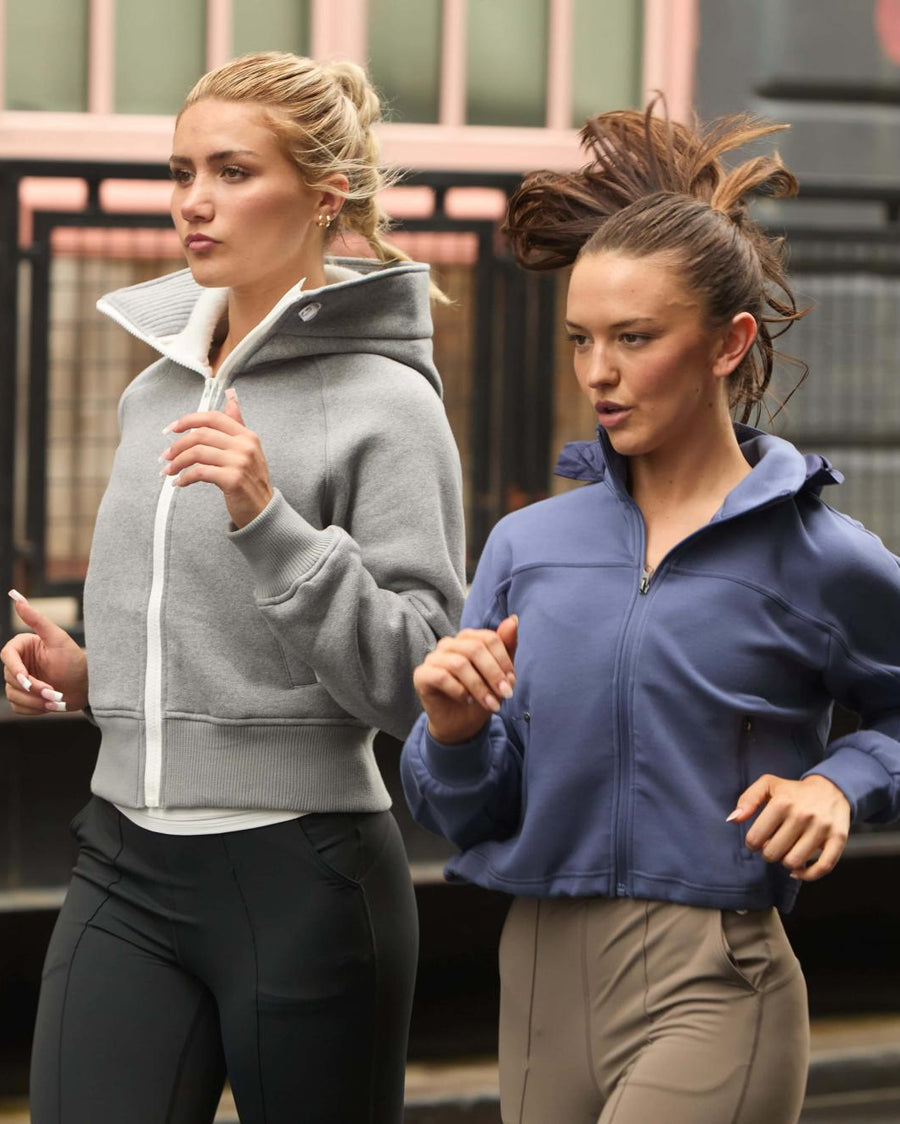

Match Training Top Breathability to Sweat Level and Workout Format
Sweat level is the first filter, because it decides fabric weight, back design, and how many tops you keep in rotation. Think in three tiers. Light sweat covers restorative yoga, stretching, mobility work, and easy group classes where you hardly notice moisture. Moderate sweat covers pilates, weight machines, and circuit classes. Heavy sweat covers hot yoga, spin, running, and HIIT. Breathability matters most in the third tier, where heat builds faster than your body can release it. ACSM's physical activity guidance recommends light, breathable clothing for hot-weather exercise; a thin polyester-spandex knit fits that job. Fabric behavior separates the good options from the frustrating ones. Research comparing polyester and cotton clothing after fitness sessions shows cotton holds moisture and stays heavy, while polyester blends release moisture faster. That is why a lightweight polyester-spandex top feels lighter once damp and dries faster in your gym bag. For hot yoga, weight beats thickness: a thin knit with a ventilated back keeps air moving, while a heavy cotton tee turns into a wet towel during the standing series. Use quick tests before you commit. Hold the fabric up to a light source; a soft glow through the knit suggests air will move through it. Stretch the fabric across your back and let go; it should snap back rather than stay stretched out. Picture the hottest room you train in and decide whether you want that fabric against your skin for an hour. Sweat level answers the fabric question first, and the rest of the decision follows.
How Fabric Stretch and Back Ventilation Support Comfort in Different Classes
Stretch and ventilation do two different jobs in a group class. Stretch keeps the top from tugging when you move; ventilation handles heat and moisture. Hollow mesh back panels sit where sweat collects along the spine and shoulder blades. The open knit increases air exchange and lets moisture evaporate faster than it would under a solid panel. Mesh improves airflow and reduces the heavy, clingy feeling on your back. Sweat remains part of the workout; the open back helps you stay more comfortable while you train.
1. Four-Way Stretch Reduces Pulling During Deep Floor Poses and Overhead Reaches
In downward dog, a twisted lunge, a seated forward fold, or an overhead reach, a top that gives in only one direction pulls at the shoulders, rides up at the waist, and exposes your lower back. Four-way stretch means the fabric stretches crosswise and lengthwise, then recovers its shape instead of sagging. The 78% polyester and 22% spandex blend provides that elastic recovery, so the top holds through repeated transitions between standing and floor poses. Test it before you commit: reach both arms overhead, twist your torso, and hinge forward. If the hem climbs above your waistband and stays there, go up a size.
2. Mesh Back Ventilation Helps Most During High-Rep Strength Sets and Machine Rows
Strength training builds heat in bursts: rows, squats, kettlebell swings, and repeated sets on machines. Heat rises along the back, and a solid knit traps it between fabric and skin. Hollow mesh back panels increase air exchange and let sweat evaporate instead of pooling. They reduce the cold, damp patch you feel when you sit or lie back on a bench. For gym equipment sessions, less clinging fabric also means fewer adjustments between sets. In running and outdoor training, the same mesh helps as airflow picks up with your pace, so one top can cover both strength days and road days.
Choose Coverage, Size, and Care Based on How You Train
Coverage is the third question, and it comes down to how much you bend and reach. A curved hem gives light hip coverage: the back hem drops a little lower, so during forward folds, hip hinges, and overhead reaches you are not constantly tugging the fabric back down. That matters in hot yoga, where you flow from standing to floor and back again, and it pairs naturally with high-waist leggings or biker shorts. This is an outer short-sleeve training top, not a sports bra, padded bra, or compression garment. Wear it over the bra you already trust. The round neck and short sleeves make layering simple. Size and care come next. The top runs XS–2XL, and the right pick depends on how you train: a closer fit for hot yoga and running where you want nothing extra moving around, a slightly roomier fit for weight training and studio-to-street wear. If you are between sizes and want the hem to stay put through deep poses, sizing up is usually the safer call. Check the size guide before ordering; it is worth a two-minute check. Care protects stretch. Machine wash cold and tumble dry low. Wash with like colours, and do not bleach, iron, or dry clean. Cold water and low heat help protect the spandex elasticity and the Pure Black fabric. If you train four or five times a week, plan for three or four tops in rotation. Buying two to three earns 10% off, and four or more earns 15% off, which makes a women's workout tops sale easier to justify than replacing one tired tee at a time.
Conclusion
Choosing women's training tops for hot yoga and gym sessions comes down to four decisions: match breathability to your sweat level, confirm the fabric stretches the way your poses and lifts demand, pick the coverage your movement needs, and build a laundry routine that protects the stretch. A short sleeve mesh back top with four-way stretch, a curved hem, and a polyester-spandex blend covers hot yoga, gym equipment sessions, group classes, and running without becoming three separate purchases. When you are ready, check the size guide, review the care label, and consider a two-to-three or four-piece order. Orders ship free and arrive in the standard 3–5 business day window, and sizing questions go to support@aaryafit. com.
FAQ
Q: What should I look for in women's training tops for hot yoga?
A: Start with fabric weight and airflow, because heat is the main problem in a hot room. A lightweight polyester-spandex knit moves moisture away from skin and dries quickly. A ventilated back panel lets heat escape along the spine. Then check stretch: four-way stretch lets you move through deep floor poses without the top pulling at your shoulders or riding up. Finally, look at the hem: light hip coverage keeps you comfortable through forward folds, and plan for a cold wash so the fabric keeps its shape.
Q: Are mesh back workout tops comfortable for gym strength training?
A: Yes, and high-rep sets are where mesh back panels help most. Strength training builds heat fast along your back, and an open mesh panel lets that heat and moisture escape instead of trapping it under solid fabric. That means less damp cling when you sit or lie back on a bench and fewer mid-set adjustments. The top covers you normally from the front and sides, so you get airflow without changing your gym routine.
Q: How do I choose the right size in a short sleeve athletic top with a curved hem?
A: Use the size guide first, then decide what you want the fit to do. If you train in hot yoga or run and prefer a closer, uninterrupted fit, stay with your usual size. If you lift weights, layer the top over a bra, or want the curved hem to stay put during deep bends, size up when you are between sizes. Reach your arms overhead and hinge forward before deciding; the hem should return to place, not stay up around your ribs.
Sources / References
Physical Activity Guidelines - ACSM
Microbial Odor Profile of Polyester and Cotton Clothes after a Fitness Session - PMC
FTC Policy Statement on Deception
Related Examples
AARYA Inspire Women's Workout Tops Short Sleeve Athletic Mesh Back Shirts